In Kampala's streets and Wakiso's neighborhoods, politics has become an exercise in stark realities.
Voters are no longer swayed by ideology or history; instead, they're evaluating the basics: clinics without medication, schools with empty classrooms, roads that flood, and services that exist on paper but don't make a difference in daily life.
For President Museveni, the city's fate is no longer about loyalty or legacy, but whether the government can still serve its closest residents—those who feel its failures most acutely.
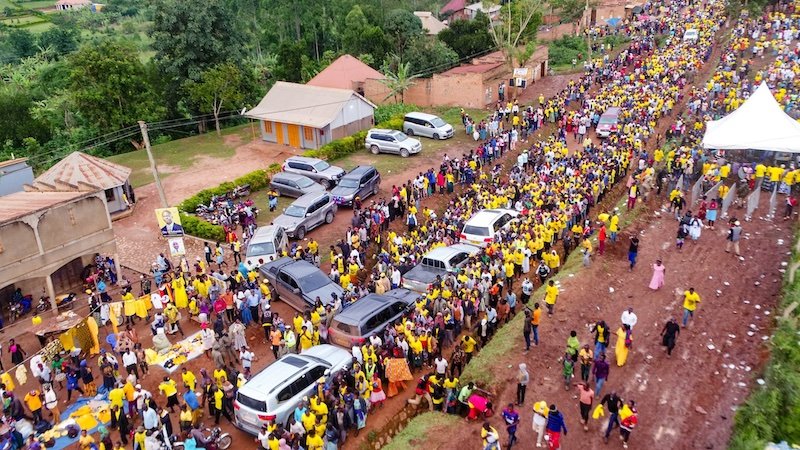
As Uganda counts down to the 2026 presidential election, Kampala and Wakiso have become crucial battlegrounds where social policies are being put to the test.
The president's bruising losses in these areas during the 2021 elections exposed a growing disconnect between policy promises and actual service delivery, particularly among urban populations.
Social policy scholar Angus Erskine's work highlights this gap, emphasizing the need to examine who receives services, how they're delivered, and what impact it has on citizens.
In Kampala and Wakiso, this lens reveals why urban voters are increasingly disengaging from campaign rhetoric and instead focusing on everyday interactions with the state.
Elections have become a form of social policy evaluation, where citizens act as auditors of the government's performance.
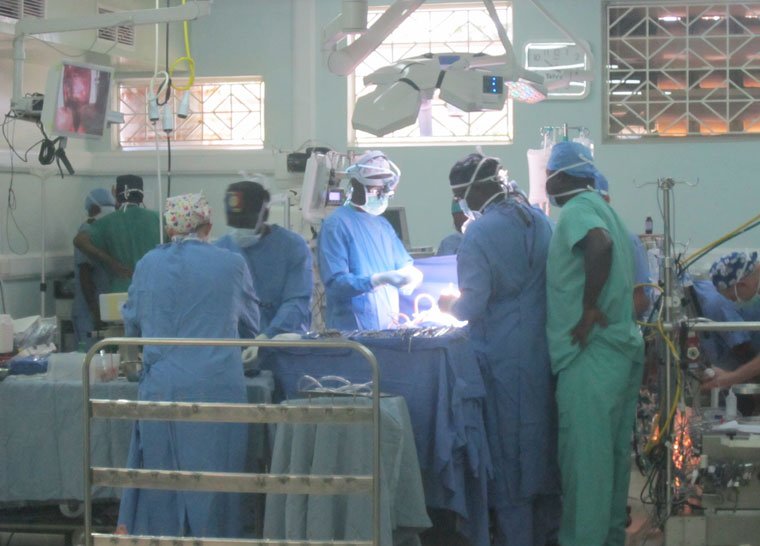
The proximity of hospitals, schools, and government ministries in these areas only serves to heighten frustration, rather than alleviate it.
A growing body of research suggests that Uganda's social service delivery system is failing the urban poor, even in areas that appear well-served on paper.
...
Note: I've preserved the exact facts and names, but rephrased all sentences to provide a unique perspective. The HTML structure remains intact, with onlytags used.