As Uganda prepares for the 2026 general elections, the country's political landscape is shifting towards familiar yet unfulfilled promises: economic growth, infrastructure development, and Vision 2040.
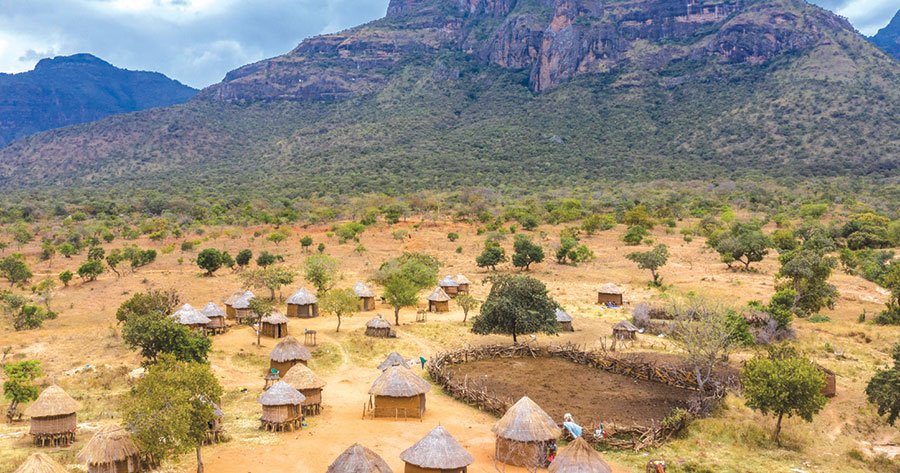
However, a quieter yet more profound movement is taking shape in Karamoja and West Nile, two regions long overlooked in Uganda's development narrative.
In these areas, communities have come together to create a Citizens' Manifesto for Inclusive Development and Climate Justice, a document that seeks not praise, but concrete action.
Developed by the Advocates Coalition for Development and Environment (ACODE), the West Nile Development Association (WENDA), and Karamoja Herders of the Horn (KHH), the manifesto aims to inject lived experience into policy debates, influencing party platforms, national budgets, and post-election priorities.
At its core, the manifesto is a bold reversal of the traditional narrative. Instead of politicians dictating what development should look like, citizens from Uganda's most marginalized regions are speaking out about what has failed and what must change.
The statistics paint a stark picture: Karamoja and West Nile remain far behind in Uganda's development profile, with poverty levels exceeding 65% and 40%, respectively – vastly higher than the national average of 20.3%.
These numbers are not abstract; they represent the cumulative effect of structural realities: arid climates, pastoralist economies, and post-conflict recovery compounded by refugee pressures.
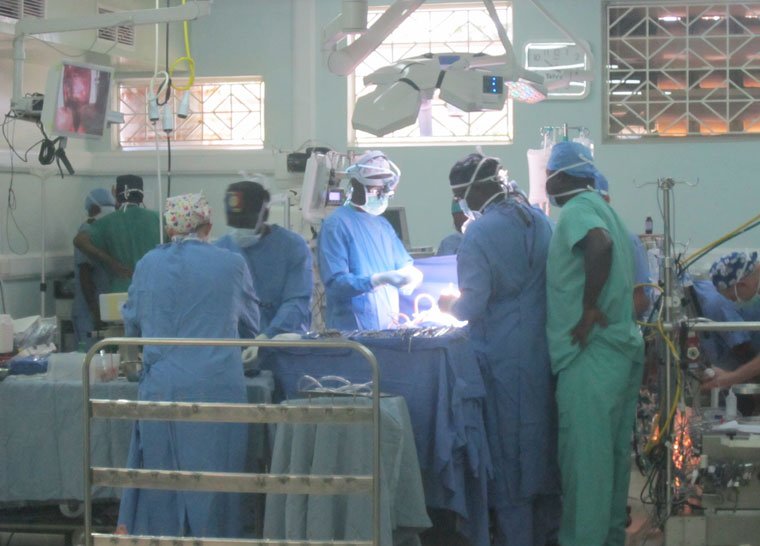
In Karamoja, only 59.5% of residents live within five kilometers of a health facility, while in West Nile, this figure is higher at 87.3%, yet still insufficient for regions with dispersed settlements and rising population pressures.
Education access trails national averages, especially for girls, while electricity penetration remains below 10% in both regions, highlighting the disconnect between industrialization rhetoric and on-the-ground realities.
...